

The conversation around rental has shifted. What once felt occasional or experimental has become, for many women, a regular part of how they get dressed. Access has improved, inventory feels more current, and the appeal is obvious: the ability to introduce something new without committing to ownership.
And yet, when clients ask me if it is worth it, the question is rarely about access. It is about effort. Renting requires intention. You are managing availability, timing, returns. It asks more of you than clicking “add to cart.” So the real consideration is not whether renting works, but whether it works for your wardrobe.
Because when it is done well, it is a powerful tool. When it is not, it creates unnecessary friction.
The difference comes down to how you use it.
To make it effective, it requires a necessary shift in approach. Renting works best when you are sourcing for an idea rather than chasing a specific piece. Inventory moves quickly. The item you saved last week may not be available when you need it. Approaching rental with rigidity almost guarantees frustration.
Thinking, “I need something for a black-tie event, ideally in a metallic or sculptural silhouette,” opens options. Fixating on a specific runway piece in your exact size does not. This is where most people get it wrong. Renting is not about securing that item. It is about solving for a moment.
Once you approach it this way, it becomes far more useful and far less frustrating. To achieve that, here is the guide you need on when to rent & when to buy:
When to Rent
1. To test before you invest
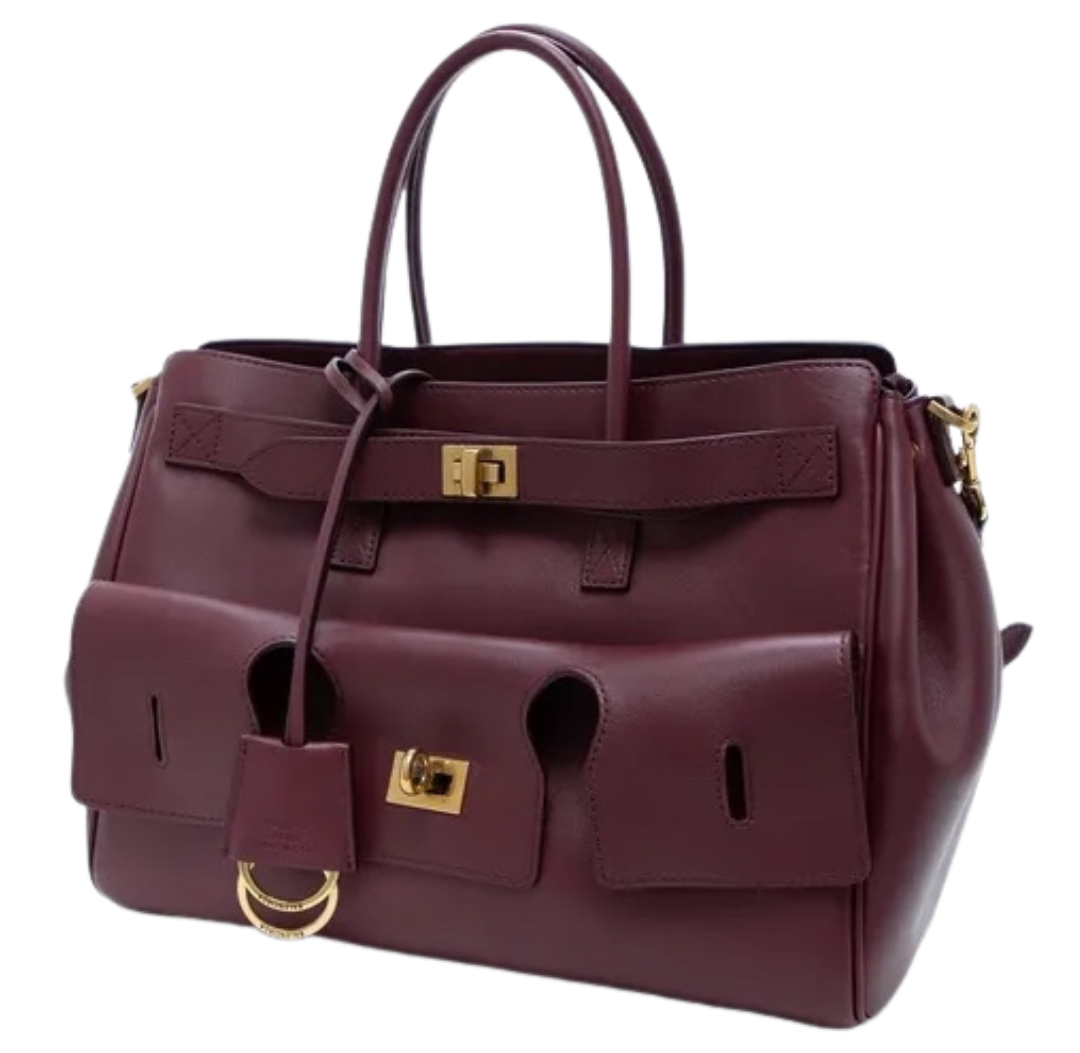
One of the most overlooked advantages of renting is the ability to evaluate a piece in your real life before committing to it.
A new blazer proportion. A different denim cut. Even an investment bag you have been considering for months.
The key is to use the time intentionally. Notice how often you reach for it. Pay attention to how easily it integrates with what you already own. Assess whether it holds up across different settings, not just the one you had in mind.
You are not simply wearing the piece. You are gathering evidence.
2. For the 20% of your life
Most wardrobes operate within a clear rhythm. The majority of what you wear exists within your day-to-day life, and then there is the smaller percentage reserved for everything else.
Events, trips, occasions that are meaningful but infrequent.
This is where buying often becomes reactive. A last-minute need leads to a purchase that rarely earns its keep beyond a single wear.
Renting allows you to meet those moments without carrying them indefinitely in your closet. Evening wear, vacation pieces, anything with a naturally low cost per wear belongs here.
It removes the pressure to own something that was never meant to be worn repeatedly.

3. To introduce newness without excess
There are scenarios where renting can support your day-to-day wardrobe, but only when it is done with intention.
If your work requires visibility or repetition, a small rotation of statement pieces can create dimension without overbuilding your closet. A directional blazer for key meetings, a distinct piece for photographed moments, something that shifts the tone while still aligning with your core wardrobe.
This is not about constant novelty. It is about maintaining interest while preserving consistency.

4. For inherently low-return pieces
Some items are simply not designed for longevity within a wardrobe. Highly seasonal pieces, overly specific accessories, anything that is memorable by nature tends to have a limited lifespan in rotation.
If you can already anticipate that the cost per wear will be low, renting becomes the more considered choice.
It allows you to enjoy the piece fully, without the long-term obligation.

5. To explore trends without dilution
Style evolves, but not every trend needs to be absorbed into your wardrobe.
Renting offers a way to engage selectively. You can explore what resonates, understand how it feels on you, and then decide if it has a place in your long-term style.
It keeps fashion expressive, without allowing it to become impulsive.
When to Buy
1. Your foundation
A functional wardrobe is built on pieces you can rely on without hesitation.
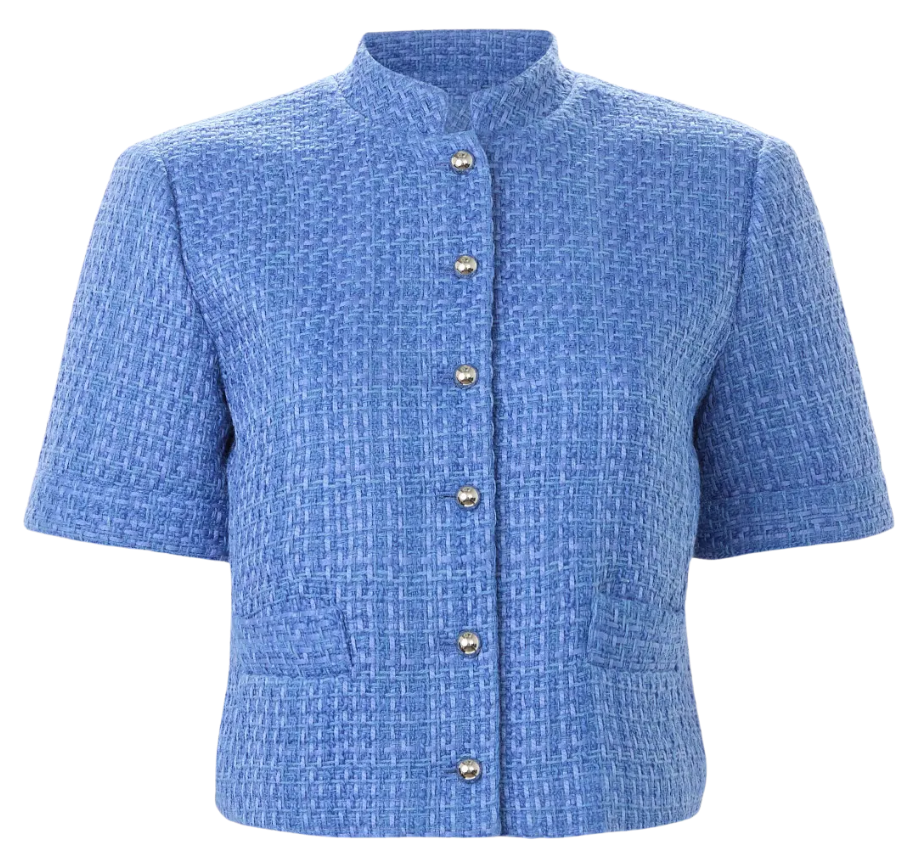
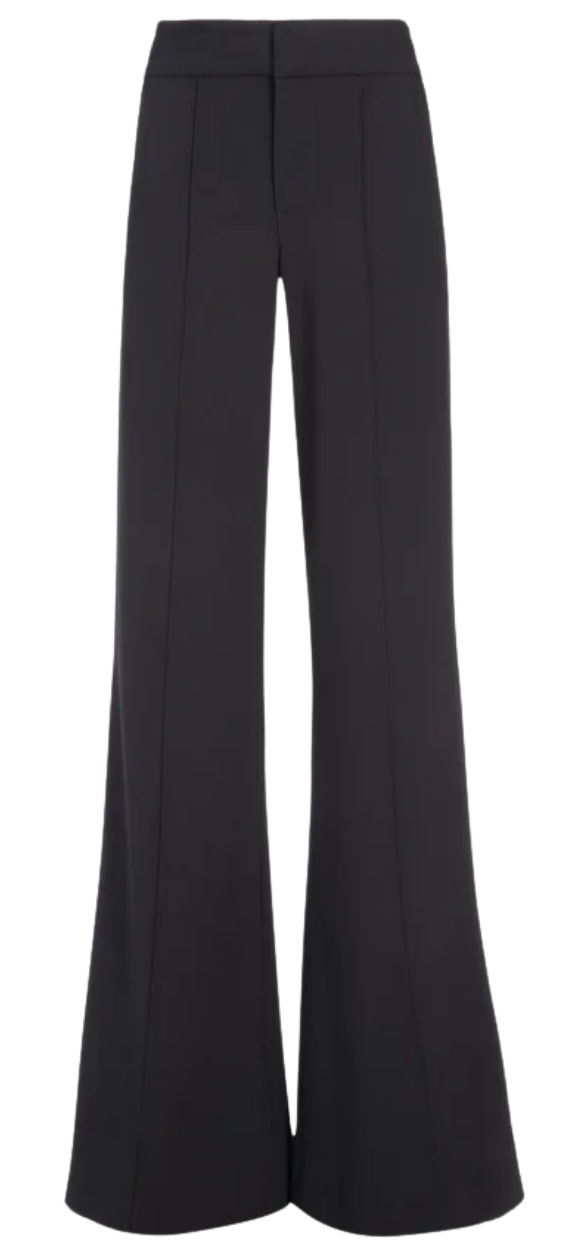
Blazers, trousers, denim, shirting, outerwear. The items that carry the weight of your daily life.
These require consistency in fit, fabrication, and feel. Renting them repeatedly introduces variability where you need stability.
Ownership, in this case, is what creates ease. And ease is what allows you to get dressed without overthinking.
2. Statement staples
A refined wardrobe is not made up of basics alone. It requires pieces that bring shape, interest, and a sense of identity.
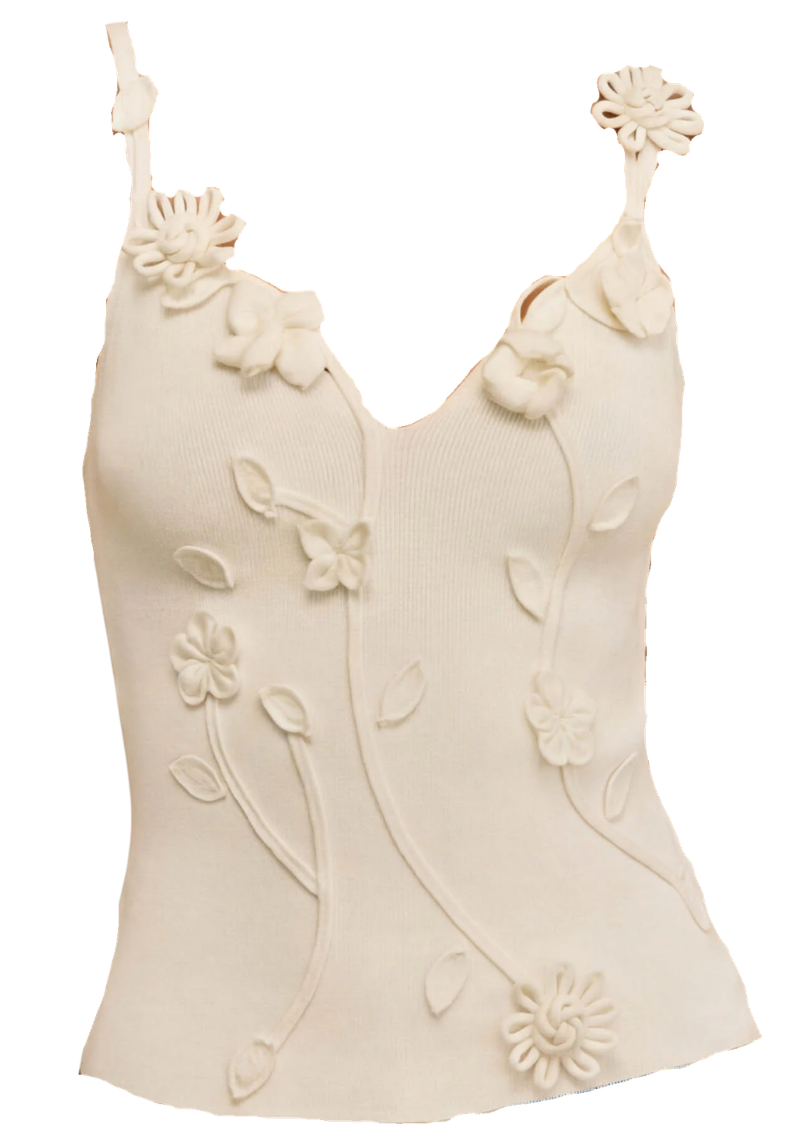
The difference is that these pieces still work hard. A strong blazer, a textured knit, a distinctive but versatile shoe.
They are memorable, but they are not one-time. When chosen well, they become part of your regular rotation.
3. The 80% of your life
For most women, the majority of dressing happens within a predictable structure. This is where buying becomes not just practical, but necessary.
Owning your 80 percent means your wardrobe supports you without constant input. It improves cost per wear, simplifies decision-making, and expands your ability to create outfits without starting from scratch.
It also allows renting, when you do use it, to feel intentional rather than essential.

4. Long-term investments
Certain pieces justify their place over time.
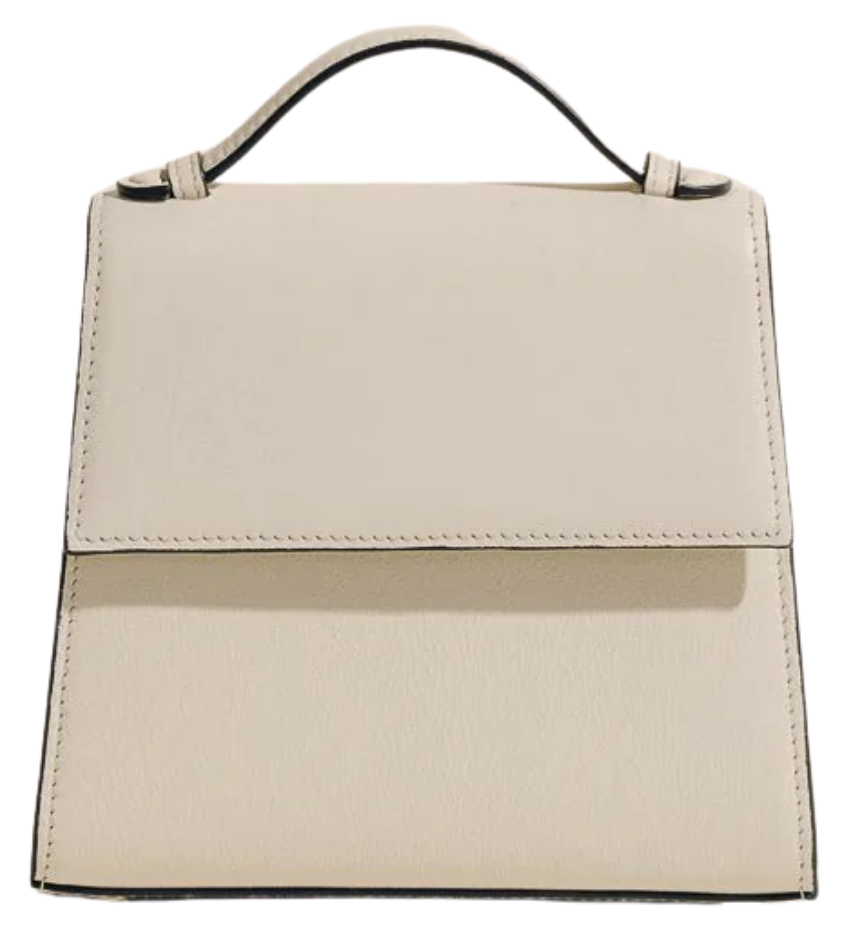
An investment bag that moves with you through different seasons of life. A well-cut coat that anchors your winter wardrobe. Boots that improve with wear rather than degrade.
These are not reactive purchases. They are decisions made with longevity in mind, and they are meant to stay.
The perspective shift
Renting is not a replacement for a well-built wardrobe. It is an extension of one.
When your closet is grounded in pieces that function, fit, and reflect how you actually live, renting becomes a way to add dimension rather than solve problems.
And that is the distinction.
The goal is not to have more at your disposal. It is to have a wardrobe that works consistently, with just enough flexibility to meet the moments that fall outside of it.
xx,