


Black Friday has a way of making even the most disciplined shopper question her judgment. Suddenly, the coat you’ve never considered owning is 40% off, the sweater you don’t need feels like an opportunity, and your inbox is convincing you that every purchase is a smart investment simply because it’s discounted.
But a good deal and a good purchase are two very different things.
As a stylist, I approach Black Friday much the same way I approach building a client’s wardrobe: with a plan, a clear understanding of what is missing, and a healthy appreciation for the difference between buying something because you love it and buying something because the price is attractive.
My general philosophy is simple. Black Friday is an opportunity to buy what you already need at a better price, not an invitation to reconsider everything you thought you needed.
For my clients, this typically means replenishing the essentials they reach for constantly, investing in pieces we’ve already identified as wardrobe gaps, or finally purchasing something that’s been sitting on their wishlist. Occasionally, it means buying absolutely nothing.
The goal isn’t to maximize the discount. It’s to maximize the value of what comes into your wardrobe.
Here’s how I approach the sales, what I prioritize, and where I encourage my clients to exercise restraint.
First, The Rules
1. Your Shopping List Should Exist Before the Sale
Ideally, your Black Friday shopping list isn’t something you create the week of Thanksgiving. It’s an extension of the wardrobe plan you’ve been working from all season.
When I edit a client’s wardrobe, we identify what’s working, what’s missing, and what deserves replacing. That list becomes our guide for future purchases, regardless of whether something is full price or marked down.
Before opening a single sale email, I recommend looking at three categories:
Replenishments: The essentials you already own, love, and need to replace. Think white tees, bras, underwear, socks, tights, and the cashmere sweater that’s finally seen better days.
Wardrobe gaps: The pieces you’ve repeatedly wished you owned while getting dressed. Perhaps it’s a proper winter coat, an everyday boot, or a trouser that works with the majority of your existing wardrobe.
Considered investments: The items you’ve had your eye on for months but haven’t purchased because of the price, timing, or simply because they weren’t an immediate priority.
The only additions I make during sale season are gaps that have become apparent as we’ve started wearing our fall and winter wardrobes.
If something wasn’t on your radar before the discount appeared, it deserves more scrutiny, not less.
2. Build Your Carts Before the Sales Begin
This might be my favorite Black Friday strategy because it eliminates so much unnecessary decision-making.
Once you’ve identified the pieces you need, find your preferred styles, confirm your sizing, and add them to your carts or wishlists before the promotions begin.
When the sales go live, your job is simply to review the pricing and decide whether the purchase makes sense.
This accomplishes two things. First, you’re prepared to purchase the pieces you actually want while your preferred sizes are available. Second, you’re far less likely to spend an afternoon browsing hundreds of discounted items that were never part of your wardrobe plan.
The more decisions you make before the sale, the fewer decisions you have to make during it.
One important distinction: a full cart is not a commitment to purchase. If the discount isn’t compelling, the timing isn’t right, or you’ve reconsidered the need, you can leave it behind.
3. Never Let a Discount Override Your Standards
A 50% discount doesn’t make a poorly fitting garment worth owning.
This is particularly important when shopping for investment pieces. The same standards I apply when sourcing a full-price wool coat, pair of trousers, or leather boots still apply when they’re marked down.
I’m evaluating fabric composition, construction, fit, versatility, and whether the piece actually works with the wardrobe we’re building.
A beautiful coat that requires extensive alterations, a cashmere sweater that doesn’t feel good against your skin, or a pair of boots that only works with one outfit isn’t suddenly a better investment because it’s on sale.
Before purchasing, ask yourself: Would I still want this if I had discovered it at full price?
You don’t necessarily need to be willing to pay full price. Sometimes the sale is precisely what makes a considered investment financially sensible. But the desire to own the piece should exist independently of the discount.
4. Know When to Shop by Price and When to Shop by Quality
There is a time and place for sorting sale merchandise from lowest to highest price, but I reserve this strategy for very specific categories.
Think bras, underwear, socks, workout essentials, and familiar basics from brands you already know fit you well.
If you’re replenishing a favorite bra or stocking up on the socks you wear every day, filtering by price can be an efficient way to identify the best offer.
But I would never use that same strategy to source an investment wool coat, leather boots, or tailored trousers.
For those purchases, I start with the silhouette, fabric, construction, and intended role in the wardrobe. Price comes later.
A $200 coat that doesn’t keep you warm or work over your clothing is a far worse investment than a $700 coat you’ll wear consistently for years.
The distinction is simple: For replenishments, optimize the price. For investments, optimize the purchase.
5. Check the Return Policy Before You Check Out
One of the quickest ways to turn a promising Black Friday purchase into an expensive mistake is to overlook the return policy.
During major sale periods, retailers often change their standard terms. Items that would ordinarily be returnable may become final sale, return windows may differ, and certain promotional discounts may have additional restrictions.
My general rule is to purchase returnable merchandise unless I’m replenishing an exact item I already own and know fits.
This is especially important when buying denim, tailoring, coats, and shoes. These are categories where the difference between something looking beautiful online and actually working on your body can be significant.
I also recommend being realistic about alterations. A hem or minor adjustment is one thing. Buying a garment that needs substantial reconstruction simply because it’s discounted is another.
If you’re not confident in the fit, fabric, or proportions, the return policy should give you room to make an informed decision once the piece arrives.
What I Actually Recommend Buying on Black Friday
1. The Essentials You Know and Love
This is where I see some of the easiest wins.
Underwear, bras, socks, tights, foundational tees, and workout essentials are rarely exciting purchases, but they’re necessary ones. If you already know your preferred brands, sizes, and styles, Black Friday is an excellent opportunity to replenish them at a lower price.
I particularly like using the sales to replace essentials that have become worn rather than adding more of something simply because it’s available.
Think of this as wardrobe maintenance. Not every purchase needs to be transformative to be worthwhile.
Shop my favorite wardrobe essentials.


2. Investment Pieces Already on Your Wishlist
If you’ve spent the past two months searching for the right wool coat, cashmere sweater, leather boot, or everyday handbag, this is where a discount can be meaningful.
These are the categories where quality matters and where even a modest percentage reduction can translate into worthwhile savings.
However, I wouldn’t recommend buying something simply because it falls into an investment category. A cashmere sweater isn’t inherently a smart purchase, nor is an expensive coat.
It needs to be the right cashmere sweater or the right coat for your wardrobe.
I prioritize classic silhouettes with enough personality to feel like the woman wearing them. Pieces that work across multiple outfits, have longevity beyond a single season, and don’t require purchasing three additional things to make them wearable.
If the exact piece you’ve been considering goes on sale, wonderful. If a vaguely similar alternative is discounted but doesn’t meet your criteria, I’d keep looking.
Shop my investment wardrobe picks.


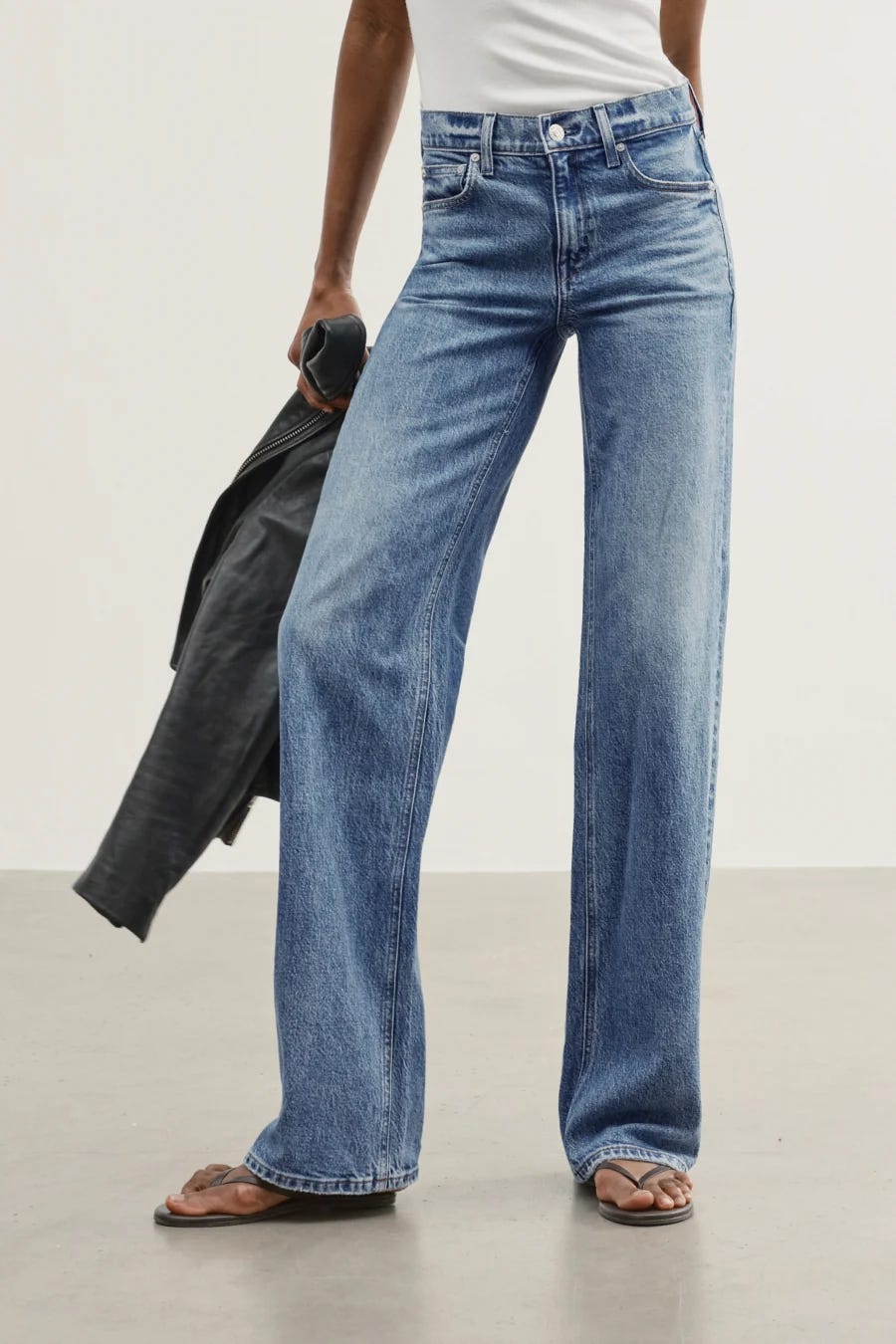
3. Denim and Tailoring You Already Know Work
Denim and trousers can be particularly worthwhile sale purchases, but I approach them with more caution than the average wardrobe essential.
If you’ve found a denim silhouette that fits beautifully and you wear consistently, purchasing a replacement or a second wash can make sense.
The same goes for trousers. Once you’ve identified a cut that works with your proportions, footwear, and lifestyle, there can be real value in adding a complementary color.
What I wouldn’t recommend is experimenting with five new denim silhouettes simply because they’re discounted.
Fit is too important, and the expense of purchasing multiple almost-right options adds up quickly.
My advice is to use Black Friday to build on what you’ve already learned works for you, not to start an entirely new fitting-room experiment.
Shop my favorite denim and trousers.
4. Beauty and Skincare Replenishments
This is one category where I think the sales can be particularly straightforward.
If you consistently use the same skincare, haircare, fragrance, or beauty products, replenishing them during a promotion can be sensible, provided you’ll use them before they expire.
I generally wouldn’t use Black Friday as an excuse to purchase an entirely new skincare routine or experiment with expensive products I know little about.
But purchasing the moisturizer you go through every few months, or replacing a beauty tool you’ve already decided you want, is a different story.
The key is distinguishing between replenishment and experimentation.
5. Gifts You Were Already Planning to Purchase
Holiday shopping is another area where planning pays off.
Rather than starting with whatever is on sale, I recommend identifying who you’re shopping for and what you’d genuinely like to give them.
Once you have your list, look for opportunities to purchase those gifts at better prices.
This is especially helpful for elevated gifts that don’t necessarily need to be purchased at full retail, including cashmere accessories, beauty sets, homewares, and small luxuries.
A discounted gift is only a good deal if it’s something you would have been happy to give regardless.
If you’re still working through your holiday shopping, I’ve put together a curated guide with gifts I’d genuinely give, including a few things I’d happily receive myself.


The Best Black Friday Purchase Is One You Won’t Question in January
The mistake I see women make isn’t necessarily spending too much money on their wardrobes. It’s spending money without a clear understanding of what their wardrobes actually need.
And Black Friday has a way of accelerating that problem.
You can purchase beautiful, expensive, deeply discounted clothing and still find yourself standing in front of your closet with nothing you want to wear. Because more clothing, even clothing purchased at a remarkable price, doesn’t automatically create a more functional wardrobe.
That’s why I encourage my clients to approach sale shopping with the same intention we bring to the rest of their wardrobes.
Know what’s missing. Understand what you already own. Be clear about the role a new purchase needs to serve. And don’t allow a retailer’s timeline to dictate your decisions.
The goal isn’t to walk away from Black Friday having saved the most money. It’s to walk away having spent your money well.
And sometimes, that means closing the browser with your wardrobe, and your budget, exactly as they were.
xx,
