

People are often surprised to learn that I found my way into styling because, for a long time, I hated shopping.
I hated tracking trends. I hated buying something because I was convinced it was the answer, only to realize a few weeks later that I had nothing to wear it with. I hated the particular frustration of knowing that I had spent money on clothes and still standing in front of my closet feeling as though I had nothing to wear. Every so often, I would have a moment of relief when I found the perfect pair of jeans or a jacket that seemed to solve everything. Then, inevitably, I would be back in my closet the following week trying to figure out what to wear.
It felt like a hamster wheel of bad purchases, wasted time, and temporary solutions.
What finally occurred to me was that this could not possibly be as complicated as I had made it. I approached nearly every other part of my life by looking for patterns, systems, and ways to make better decisions. Why should my wardrobe be any different?
There had to be a way to make getting dressed less arbitrary. A way to understand why certain things worked together and others didn’t. A way to shop with intention instead of accumulating more clothes and hoping that, eventually, they would become a wardrobe.
There was.
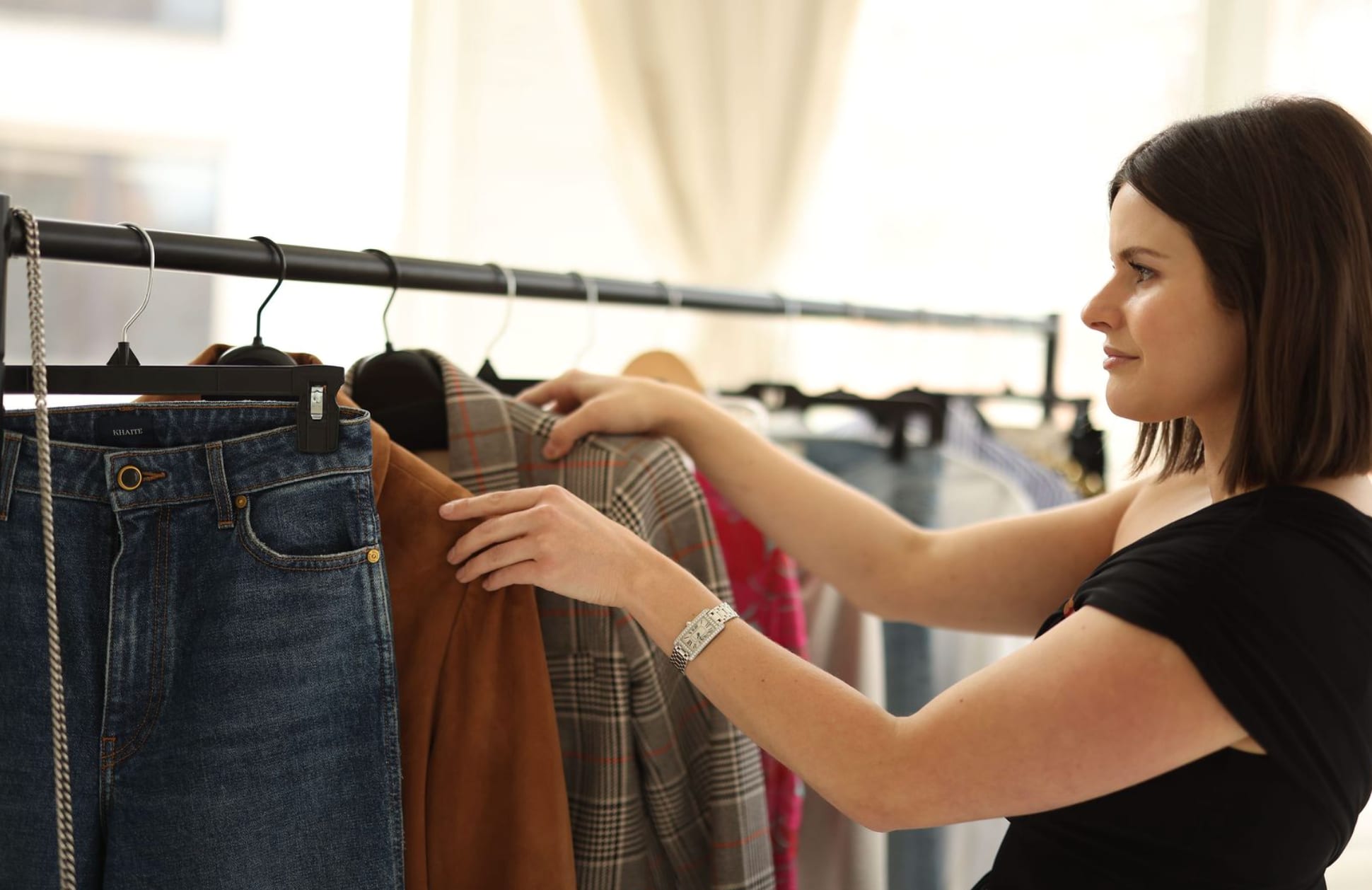
That realization ultimately became the foundation of my business, but it also changed the way I think about personal style. I don’t believe you need to love fashion to dress well. In fact, I would argue that the women who are most frustrated by their wardrobes are often not lacking in taste at all. They simply have never been given a framework for making decisions about their clothes.
I see this constantly with my clients. They are extraordinarily capable women. They run companies, lead departments, manage teams, make consequential decisions, and navigate complicated schedules without giving much thought to whether they are capable of figuring it out. Then they open their closets and suddenly feel completely out of their depth.
There is something uniquely frustrating about that experience. When you are competent in so many areas of your life, struggling to get dressed can feel almost embarrassing. You can solve a business problem before your first cup of coffee, but somehow deciding whether the trousers in your closet work with the jacket hanging beside them becomes a source of unnecessary mental gymnastics.
The problem is rarely that these women don’t have style instincts. More often, they don’t know how to translate those instincts into a wardrobe.
That distinction matters.
Fashion can certainly help you develop your eye. Looking at collections, editorial imagery, women whose style you admire, or even simply noticing what catches your attention on the street can teach you what you are drawn to. Inspiration gives us references. It helps us develop opinions. It expands our understanding of what is possible.
But inspiration is not the same thing as personal style.
Personal style begins when you can take what you find interesting and determine what actually belongs in your own life. It requires understanding the way you want to dress, the environments you move through, the proportions that make you feel your best, the colors and textures you naturally gravitate toward, and the level of effort you are realistically willing to put into getting dressed on a Tuesday morning.
That is where I think we have made fashion unnecessarily intimidating.
We have come to associate dressing well with knowing what is current. We assume that a stylish woman is someone who knows the latest collections, recognizes the season’s silhouettes, and can instinctively put together a compelling outfit. But those things are really only one part of the equation. You can know every trend and still have a wardrobe that doesn’t serve you.
The women I work with are not necessarily interested in becoming fashion people. They don’t want another area of their lives to research. They want to know that when they walk into their closet, the pieces inside make sense together. They want to be able to combine colors, patterns, textures, and proportions without second-guessing themselves. They want to buy something beautiful and know how it fits into the wardrobe they already have. Most importantly, they want to trust their own judgment.
That, to me, is dressing well.
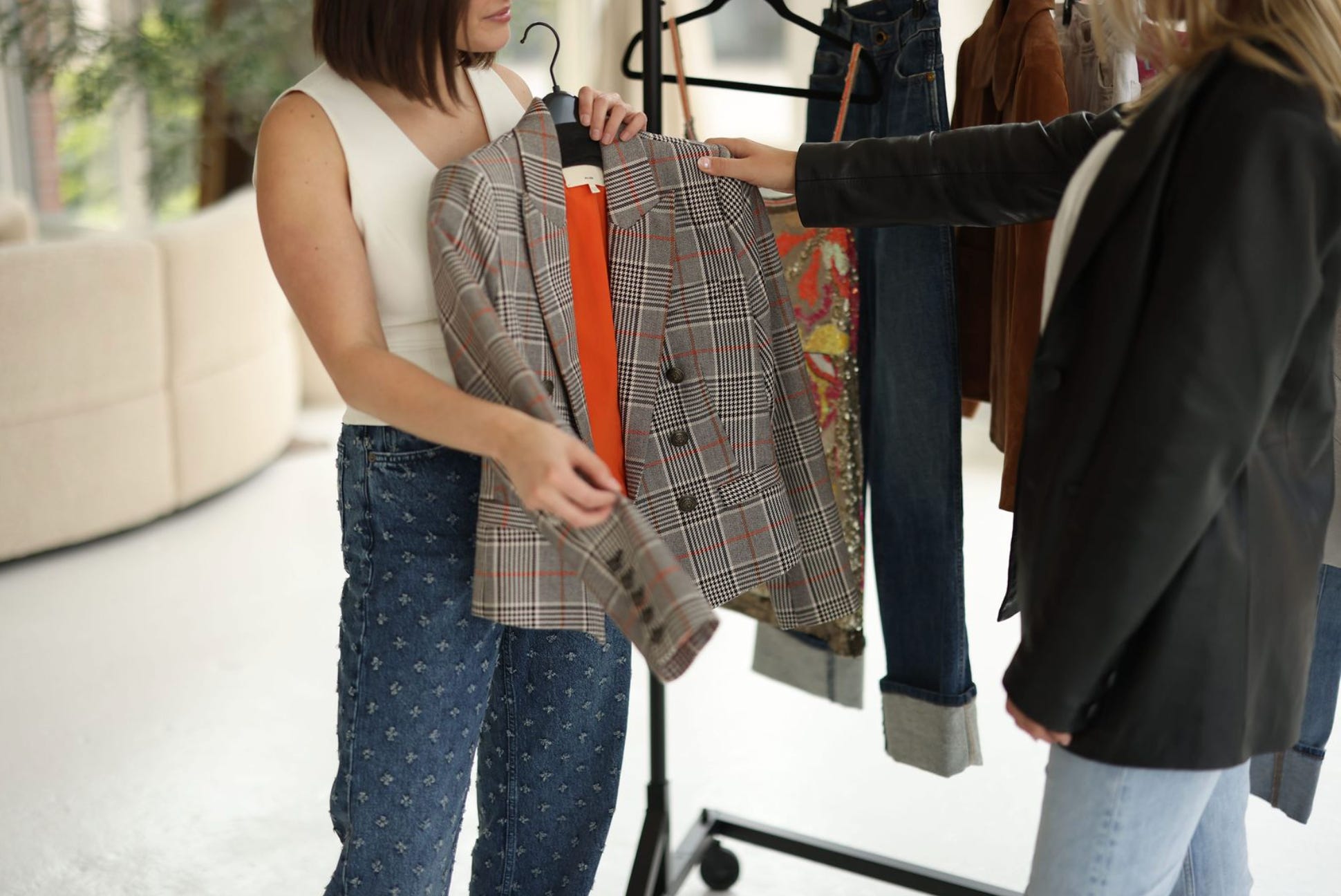
A well-dressed woman is not necessarily wearing the newest thing. She is wearing something that makes sense for who she is, where she is going, and how she wants to show up. There is an intentionality to it, even when the finished outfit looks effortless.
And that is the part I find most interesting about personal style: confidence does not come from wearing more fashionable clothes. It comes from understanding why something works for you.
Once you understand that, the wardrobe becomes much less mysterious. You begin to recognize the combinations that feel natural to you. You start seeing why one proportion works and another doesn’t, why a particular color changes the entire feeling of an outfit, why adding texture can make something feel finished, or why the right shoe can shift an otherwise familiar look.
You develop an eye.
But developing an eye doesn’t mean you suddenly stop needing perspective.
Fashion changes. Your life changes. Your responsibilities change. The way you want to be perceived changes. Your wardrobe has to move with you, which is why I don’t think personal styling is about handing someone a formula and sending them on their way. The real value is in having someone who knows your style well enough to see what is missing, what is no longer serving you, and what is worth bringing into the wardrobe next.
Your wardrobe doesn’t need more guesswork.
If you know your wardrobe isn’t working as well as it could, but you’re not sure what needs to change, this is exactly the work I do with my clients.
That is ultimately what I want for my clients: not to make them more interested in fashion, but to make them more discerning about it. I want them to understand why a combination works, to recognize their own patterns and preferences, and to feel confident enough in their taste that they aren’t starting from zero every time the season changes.
Because you don’t have to love fashion to dress well. You don’t even have to spend very much time thinking about it.
You just need a wardrobe that has been thoughtfully built around you, and the right perspective to keep it that way.
xx,